Issue 10
The Artist Retreat That Changed
My View Of Giving Back
The Artist Retreat That Changed My View Of Giving Back
WHAT HAPPENS WHEN A PICASSO MUSE GETS THE LAST WORD?
By Susie Hollands
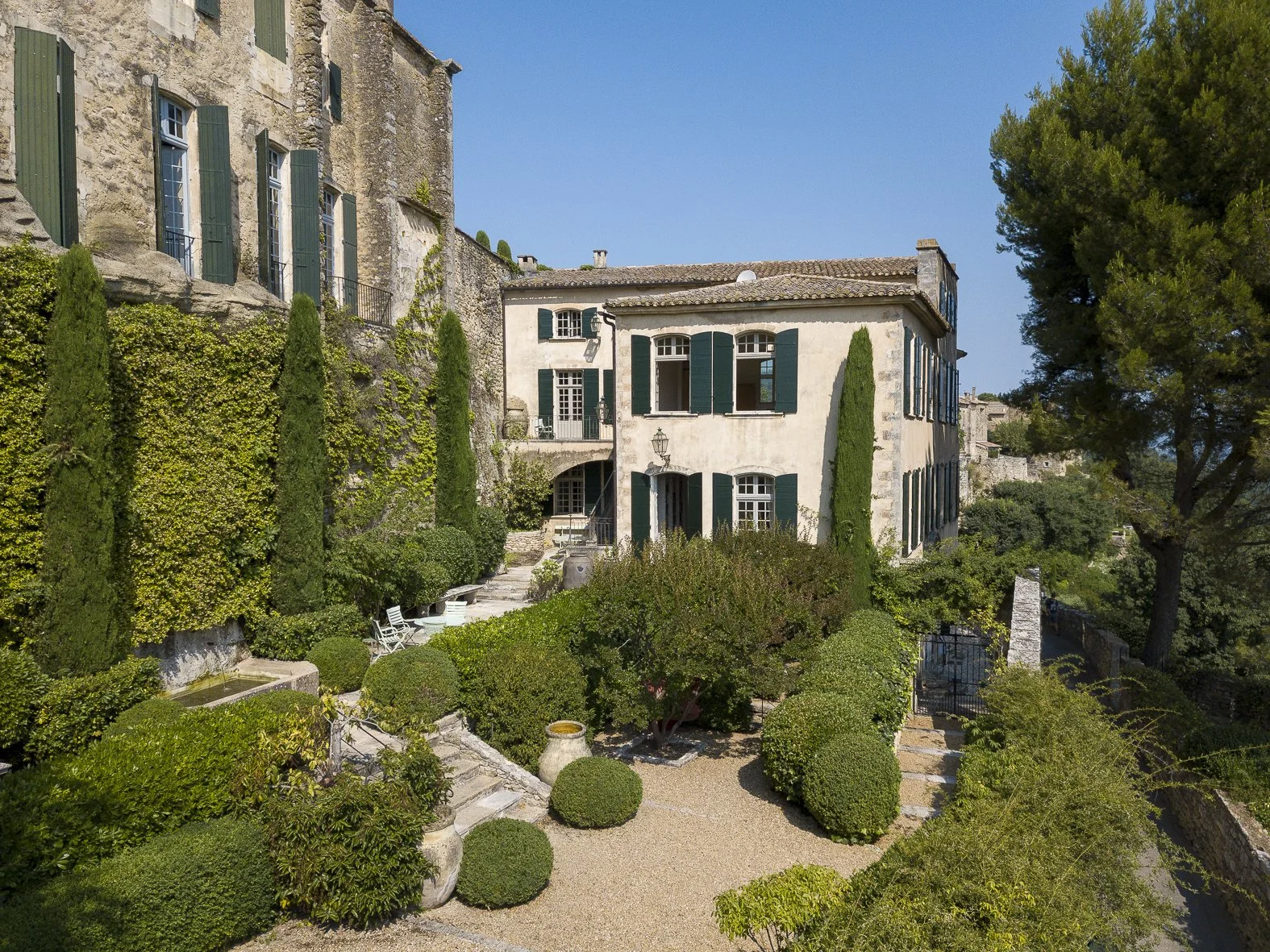
This summer, I spent an afternoon in a honey-colored Provençal bastide in Ménerbes - one of those hilltop villages in the Luberon that looks exactly like the postcard version of itself. But I wasn't there for the lavender or the rosé.
I was visiting the Dora Maar House, an artist residency that has quietly become one of the most meaningful creative spaces in France. And I left thinking differently about what it means to support the arts.
WHO WAS DORA MAAR, REALLY?
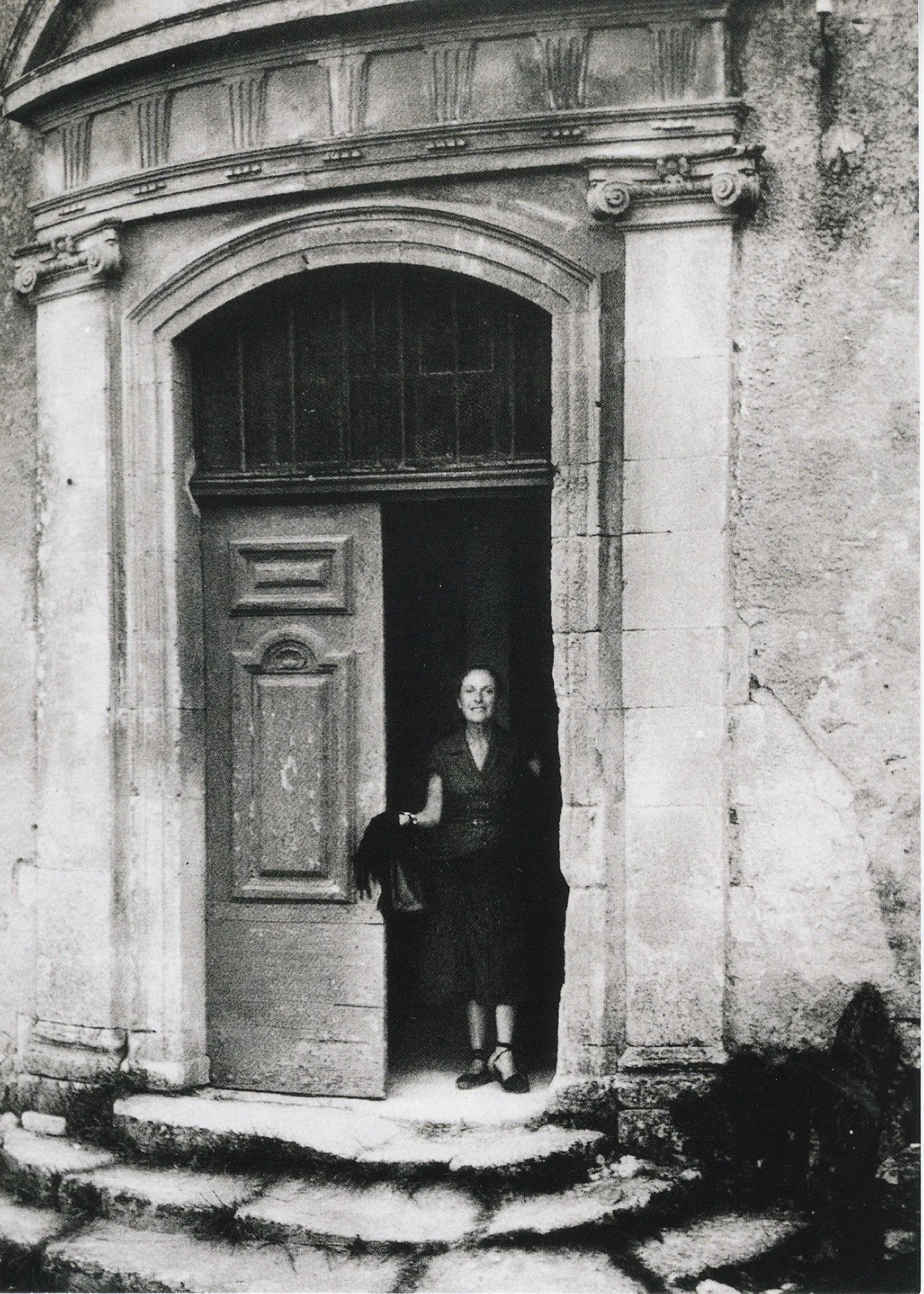
Most people know Dora Maar - if they know her at all - as "one of Picasso's women." She was with him during the Second World War when he painted Guernica, arguably his masterpiece. She documented its creation. She was there for some of his most intense, extraordinary work.
But here's what matters more: Dora Maar was a brilliant artist in her own right. A surrealist photographer. A painter. Part of the vibrant creative circle that made Paris electric in the 1930s and 40s.
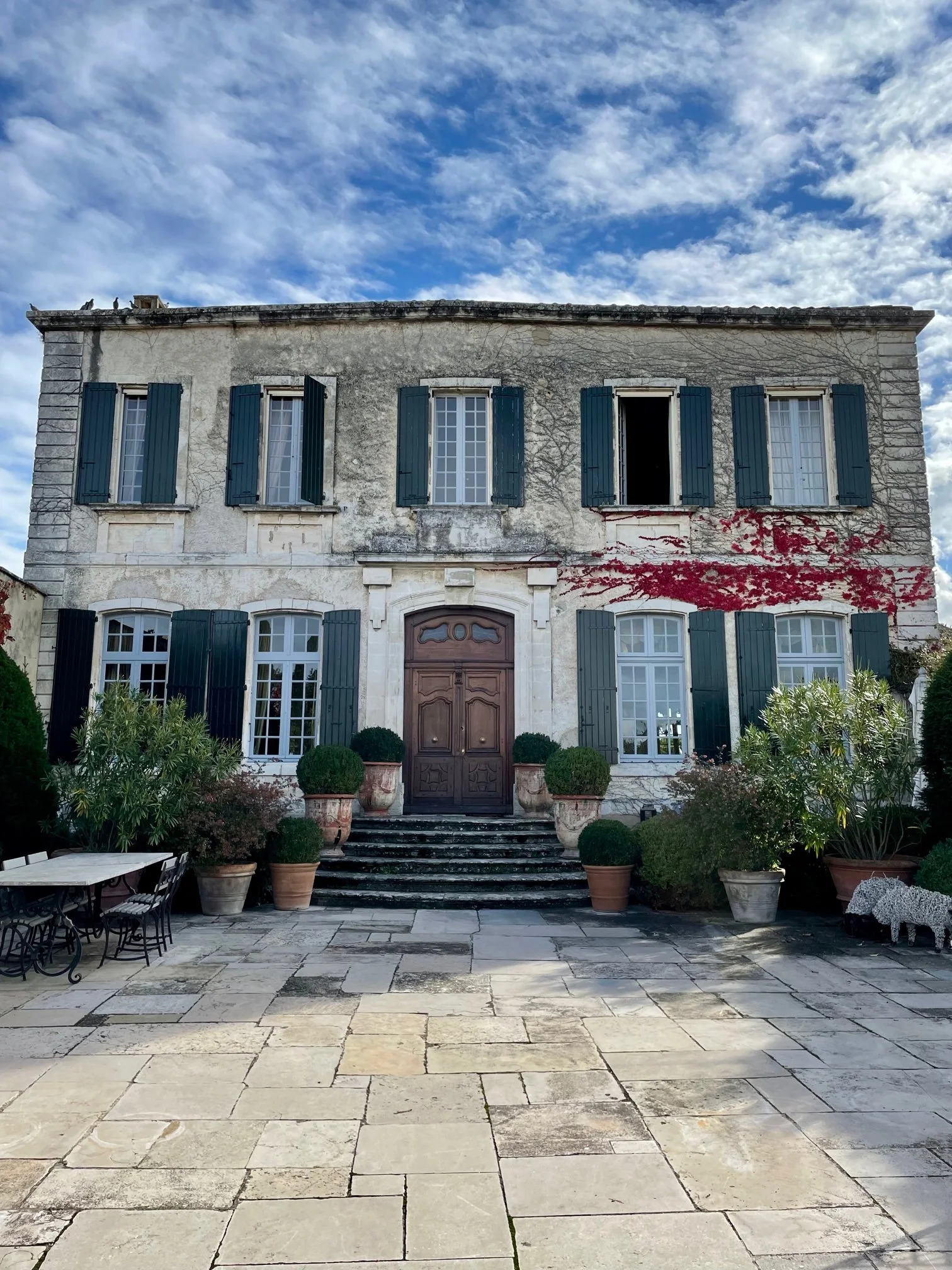
When she and Picasso eventually parted ways, he gave her this house in Ménerbes - apparently trading a painting for the property. It became her retreat, her sanctuary. After her death, an American collector purchased the house with a singular vision: to transform it into an artist residency where creators could work without distraction, surrounded by beauty and history.
That vision is thriving today.
WHAT MAKES THIS RESIDENCY DIFFERENT
I visited the Dora Maar House with my friend Pamela Newkirk, who sits on the foundation's board. Pamela is a scholar, teaches journalism at NYU, wrote an important book called Diversity, Inc., and spends considerable time in Paris. She's exactly the kind of person who makes institutions better by being involved with them.
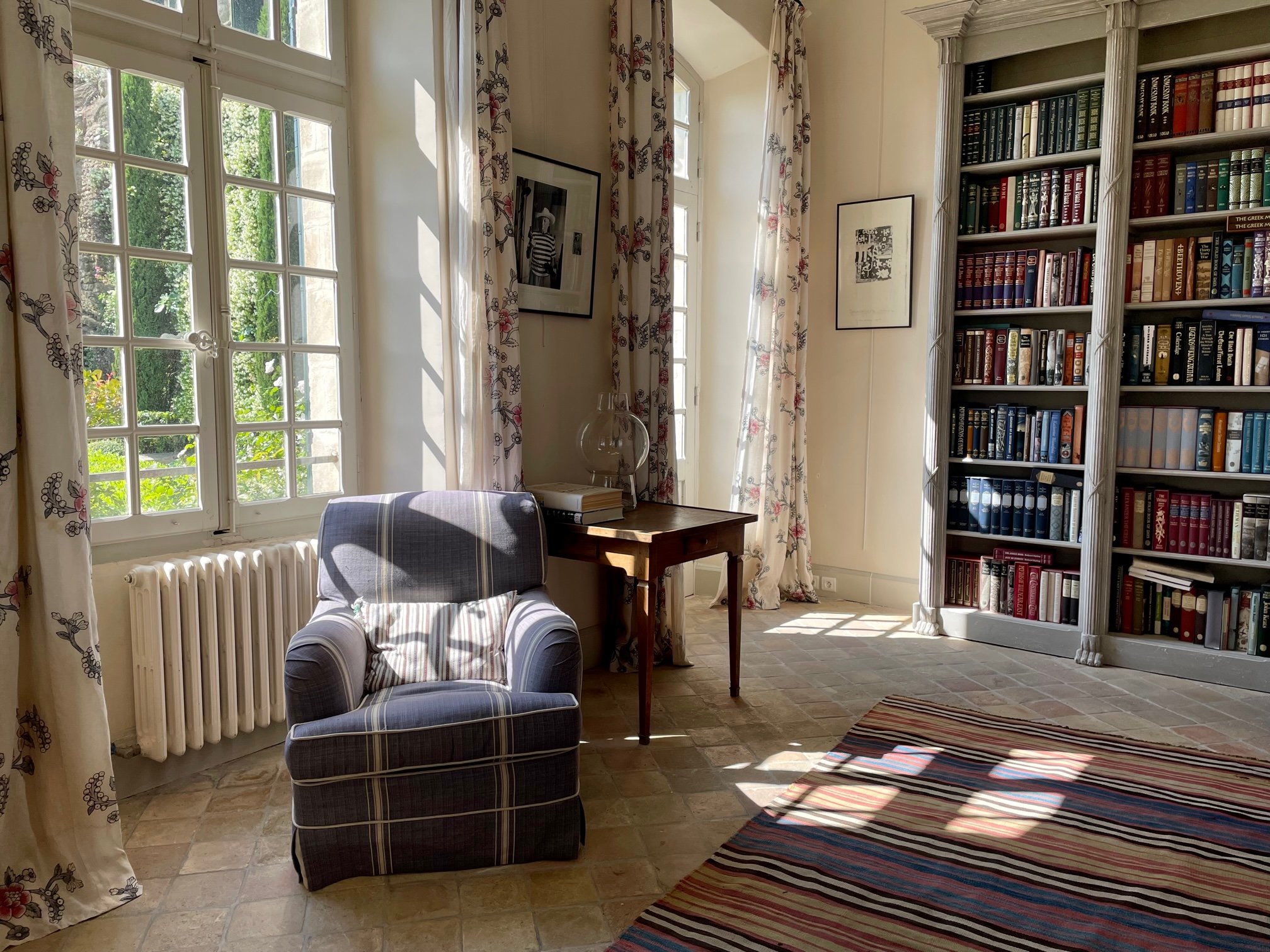
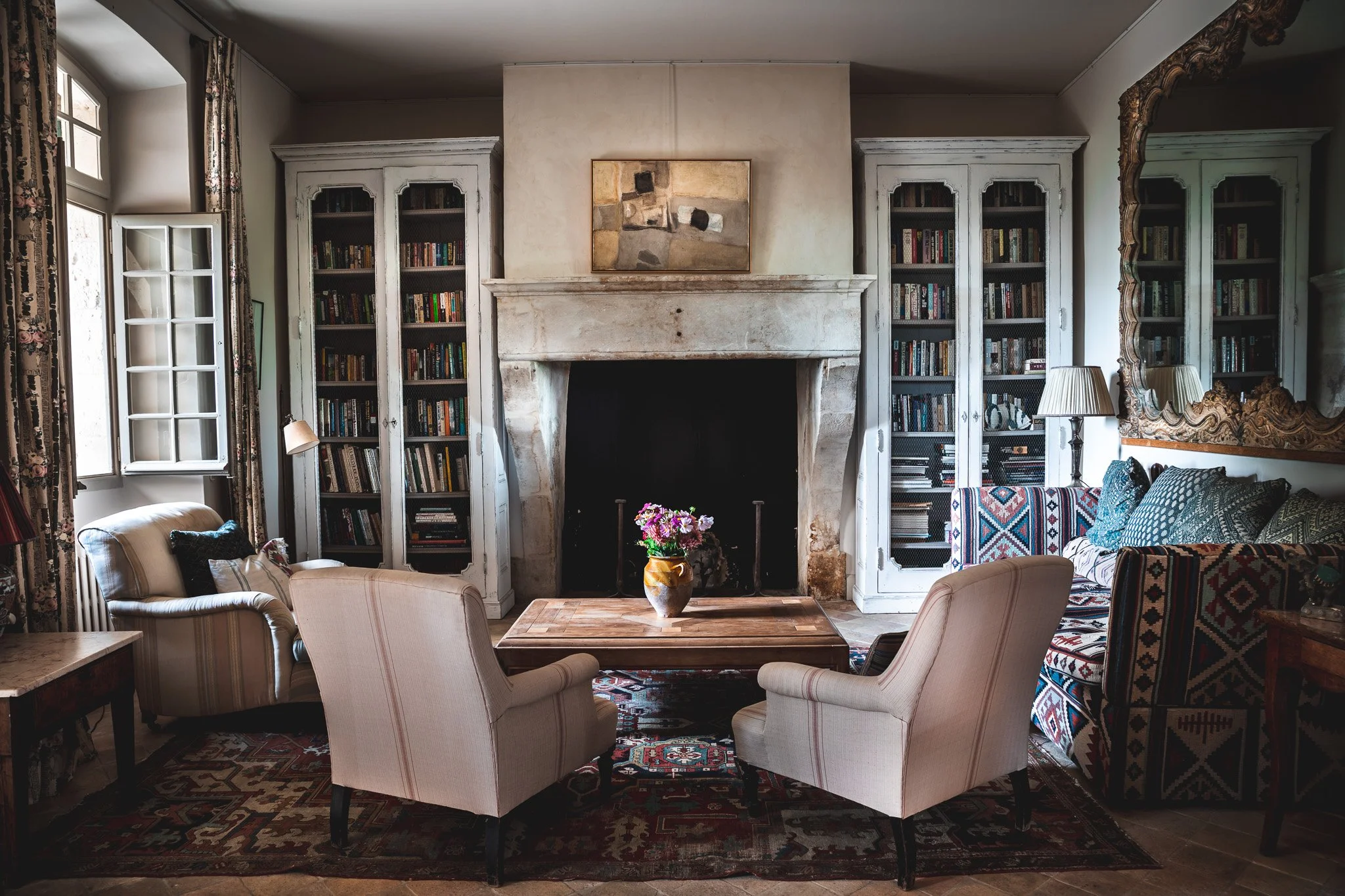
What struck me immediately was how alive the place feels. This isn't a museum pretending to be functional - it's a working residency humming with creative energy.
The director, Gwen Strauss, is extraordinary. She's a force of nature who has expanded the residency's impact year after year. She's established a film festival. Created a small shop selling artists' work. Become an active, valued member of the local Ménerbes community. The house itself thrives because she refuses to let it become static.
Several of my friends have been fellows there, including Matthew Rose, a talented collage artist from New York. They all describe the same thing: the rare gift of uninterrupted time to create, in a place soaked with artistic history and Provençal light.

THE LUBERON: WORTH THE THREE-HOUR JOURNEY
We made the trip from Paris as a day excursion - under three hours on the TGV to Avignon, then a short drive through that particular Provençal landscape that makes you understand why Cézanne never wanted to paint anywhere else.
The Luberon has managed something remarkable: it remains authentically itself despite being discovered decades ago. The hill towns are still working villages, not theme parks. The markets are still where locals shop. The rhythm of life follows seasons and harvests, not tourism calendars.
If you're planning time in the south of France, the Dora Maar House offers tours that are genuinely worth arranging. You'll see the studios where artists work, the gardens, the light. You'll understand what draws creators there.
HOW YOU CAN SUPPORT THIS WORK (AND WHY YOU MIGHT WANT TO)
Here's what interested me most: the foundation has created several tiers of involvement, and they're more accessible than you might assume.
You can become a patron for a relatively modest annual contribution - it's tax-deductible, and it directly supports artists creating work in France. For those of us who care about preserving spaces where serious creative work can happen, it's a straightforward way to contribute.
But there's something else that caught my attention: if you upgrade your membership, you gain access to a separate house in Ménerbes that patrons can use for extended stays - two or three weeks at a time.
Imagine: you're not just supporting artists. You're able to live in the Luberon yourself, immersed in that village rhythm, connected to a community of people who value creativity and craft. You become part of the ecosystem, not a tourist passing through.
For people who understand the value of being part of something meaningful - not just writing a check, but actually participating - this model is compelling.
WHY THIS MATTERS NOW
I'm sharing this because I believe places like the Dora Maar House deserve our attention and support. Not in some vague, charitable way, but because they represent something increasingly rare: spaces dedicated to depth, craft, and uninterrupted creative work.
In a world that constantly demands our attention be fractured and monetized, residencies like this one matter. They give artists time. They preserve history. They strengthen communities. They create work that outlasts trends.
And honestly? Supporting them is one of the most satisfying ways I know to give back. You're not donating to an abstraction - you're enabling specific people to create specific work in a place that has meant something for nearly a century.
NEXT STEPS
If this resonates with you, here's what to do:
Learn More & Become a Patron: Visit the Dora Maar House website to explore membership levels, see current artists-in-residence, and learn about upcoming programs.
Plan a Visit: The foundation offers tours—you can arrange one through their website. If you're planning time in Provence, this is worth building into your itinerary.
Connect: If you'd like to know more about what it's like to be a patron or you're interested in the extended stay program, feel free to reply to this email. I'm happy to connect you with Pamela or share more about what I learned during my visit.
Places like this exist because people who value them choose to support them. If you've been looking for a way to give back that feels both meaningful and connected to something beautiful, this might be exactly what you've been seeking.
With warmth,
Susie Hollands
Founder, VINGT Paris & Twenty1