
Issue 8
The Art World's Parallel Universe
The Art World's Parallel Universe
WHAT THE LOUVRE BREAK-IN SAYS ABOUT LIVING IN PARIS RIGHT NOW
By Susie Hollands
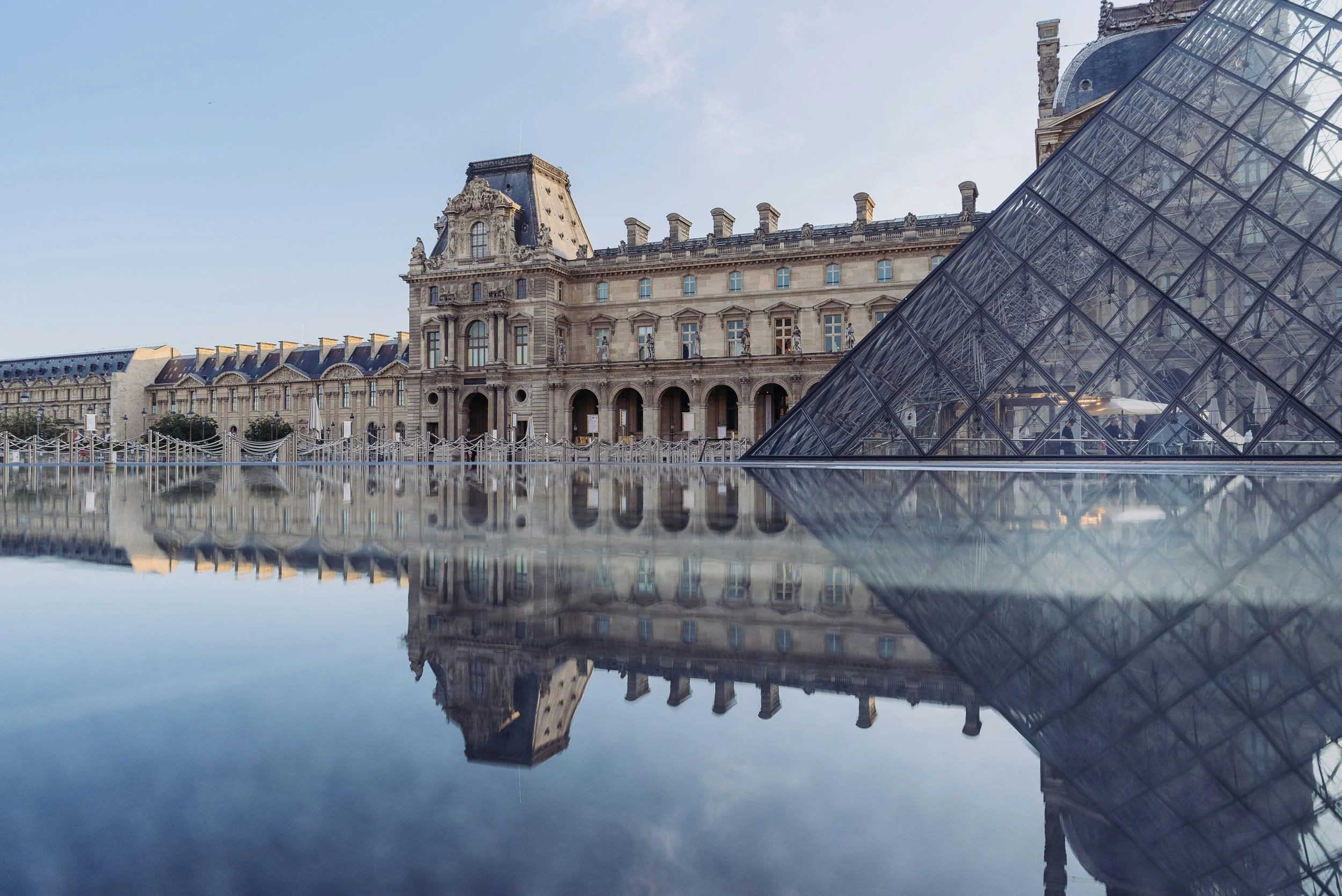
You probably saw the headlines: someone broke into the Louvre and made off with artworks in the middle of the day. It sounds like a plot from a heist film, but it happened. And while security experts scramble to explain how one of the world's most protected museums was breached, I've been thinking about what this incident actually reveals - not just about museum security, but about the massive shift happening in Paris's art world right now.
Because here's what the headlines missed: while public institutions struggle with funding and security and years-long closures, Paris's art scene is simultaneously having one of its most electric moments in decades.
THE PUBLIC VS. PRIVATE DIVIDE (AND WHY IT MATTERS)
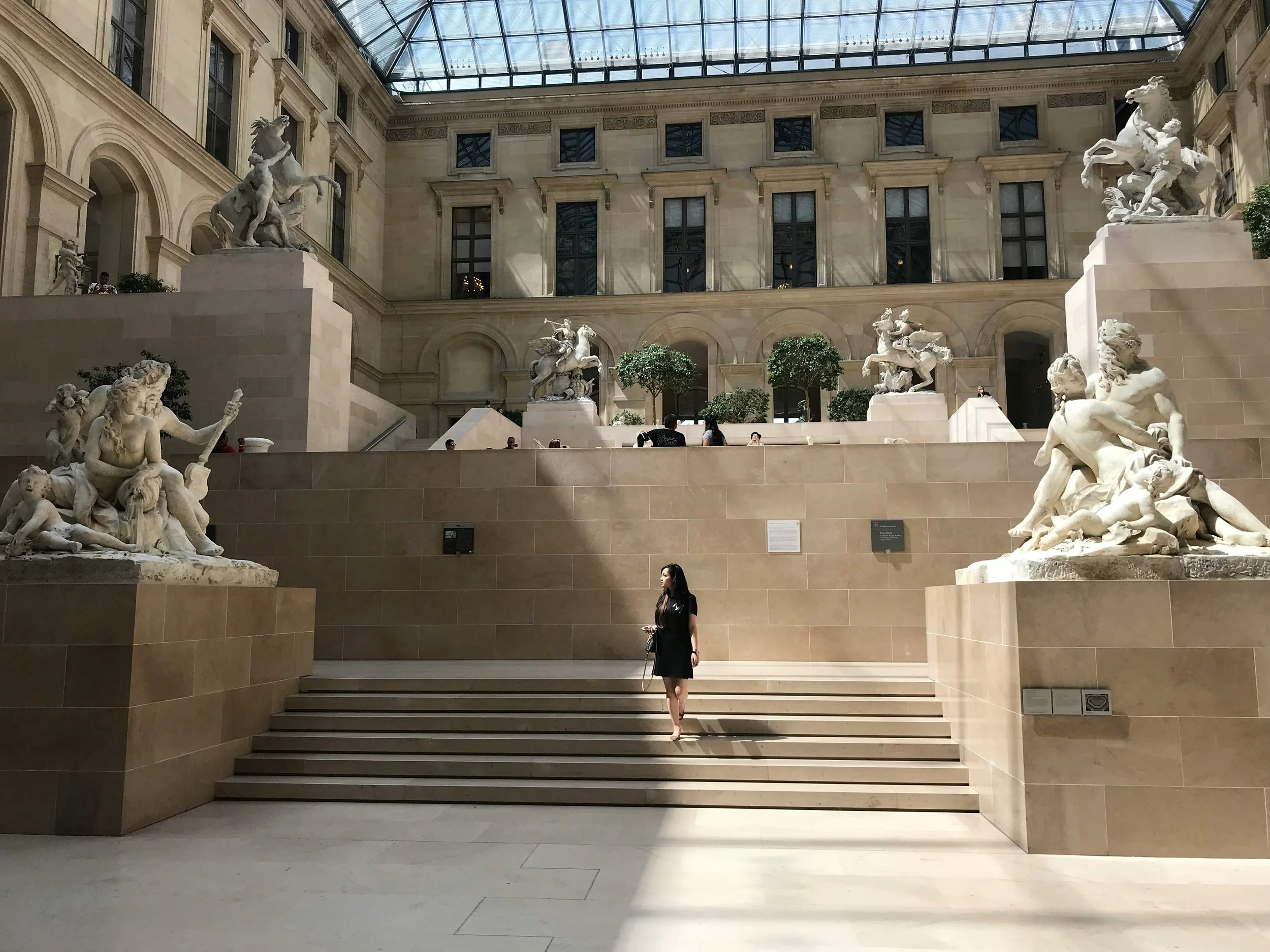
The Louvre break-in exposed something uncomfortable: even with all the resources of a state institution, public museums are vulnerable in ways they've never been before. They need to remain open and welcoming - that's their entire purpose - but that openness creates risk. Balancing public access with protection of irreplaceable collections is becoming increasingly difficult.
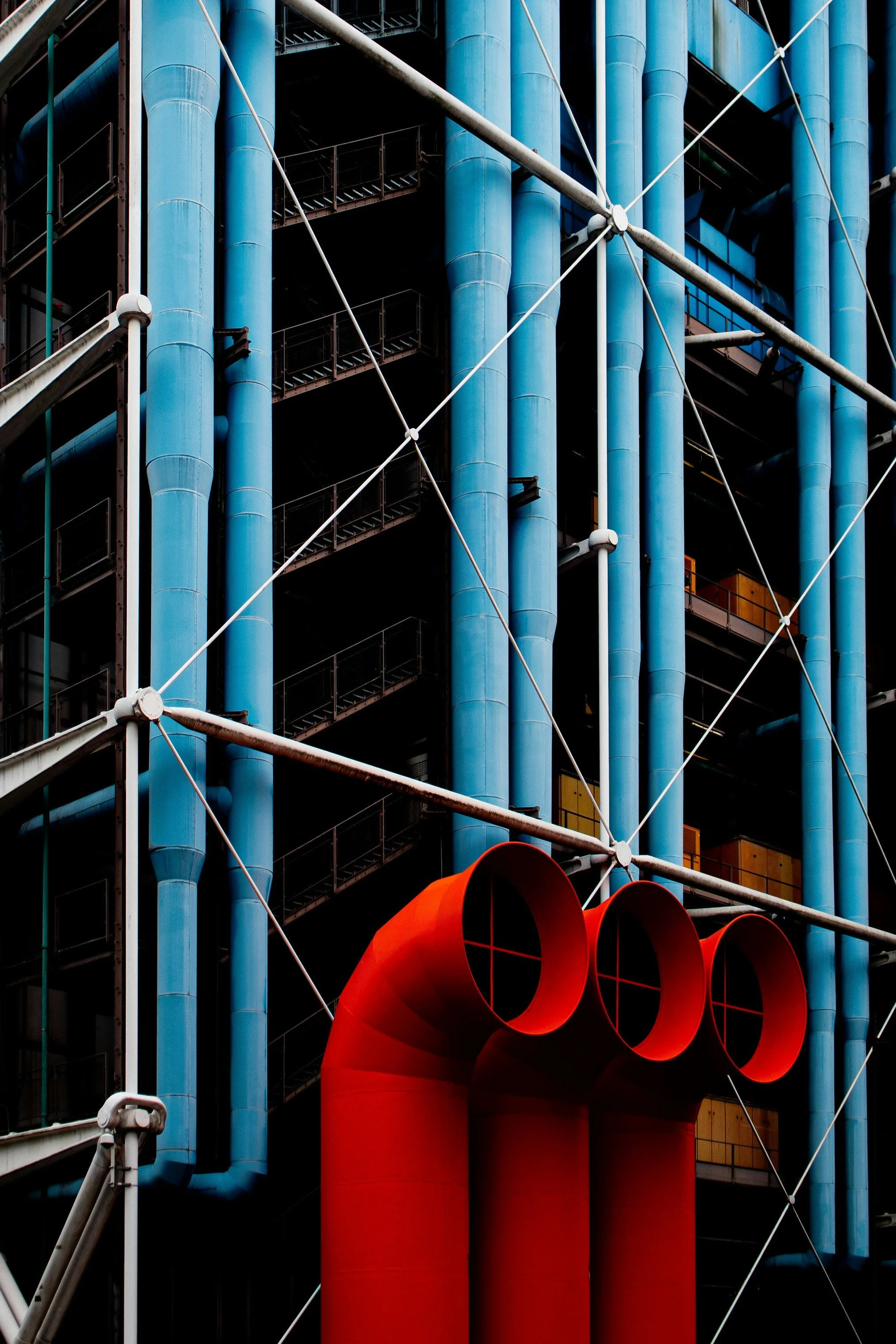
And it's not just security. Major Paris institutions are facing financial pressures that are forcing difficult decisions. The Centre Pompidou will be closed for at least five years. The Palais de Tokyo just shut its doors for 18 months. These aren't minor renovations - these are institutions essentially going dark during what should be a golden moment for Paris culture.
Meanwhile, private foundations backed by luxury conglomerates are opening spectacular new spaces with €230 million budgets. The new Fondation Cartier cost exactly that. LVMH's foundation, François Pinault's institutions - they're playing a completely different game with completely different resources. It's impressive, yes - but it also raises questions about who gets to shape our cultural conversation when private money increasingly dominates.
I'm not saying this to be gloomy about public museums. I'm saying it because understanding this shift is essential to actually experiencing Paris's art scene right now. Right now, while major institutions regroup, the private foundations have momentum. It's worth experiencing - though I do wonder what we lose when culture becomes increasingly tied to luxury conglomerates' marketing strategies.
ART BASEL CHANGED EVERYTHING
I have to tell you about Art Basel Paris. It's only in its second year, but it's brought a buzz back to the Paris art scene that I haven't felt in years. The quality of what was shown, the collectors who came to town, the conversations happening in galleries and at dinners afterward - it felt like Paris remembered it's supposed to be a cultural capital, not just a pretty backdrop.
And then Paris Photo followed immediately after. I went into complete overwhelm mode, honestly. There's so much to see, so much happening, and friends and clients coming into town from everywhere. You need to be exceptionally well-prepared because there's serious ground to cover. But that overwhelm? It's the good kind. It means something real is happening.
THE €84 TRILLION QUESTION
Here's where it gets really interesting, especially if you follow property markets the way I do: the art world is undergoing the exact same generational wealth transfer that's reshaping luxury real estate.
€84 trillion is currently moving from one generation to the next. And the younger collectors receiving that wealth? They want completely different things than their parents and grandparents collected. Different artists. Different mediums. Different values driving their purchases.
I see this play out with clients constantly. The collection their family built over decades - beautiful, museum-quality, expensive - suddenly feels like it belongs to another era. Because it does. And just like in property, where certain neighborhoods fall out of favor while others become impossible to access, the same cyclical patterns are reshaping what art holds value.
This isn't a crisis - it's just change. Auction results that look disappointing right now are actually normal market corrections happening within a much larger transformation. The question isn't whether the art market is in trouble. The question is: what are the next generation of collectors actually buying, and where are they buying it?
WHAT THIS MEANS FOR LIVING IN PARIS
If you care about art and culture -and if you're reading this, you probably do - Paris right now offers something quite special. While major institutions regroup and renovate, the private foundations and newer galleries are creating experiences that feel more connected to what people are hungry to see now.
You're not fighting crowds at the Louvre or waiting in line at the Musée d'Orsay. You're seeing work in beautiful spaces designed with serious money - though I sometimes miss the democratic chaos of public museums where you'd encounter truly everyone, not just people who know these places exist.
The new foundations are gorgeous, I'll give them that. But there's something slightly sterile about them too - designed for Instagram moments and corporate hospitality as much as genuine art engagement. Still, the work they're showing is often excellent, and the spaces themselves are undeniably beautiful. The Fondation Cartier building alone is worth visiting just to experience what Jean Nouvel created.
WHERE TO EXPERIENCE PARIS ART THIS SPRING
If you're in Paris this spring - or planning a trip - here's where the energy is right now:
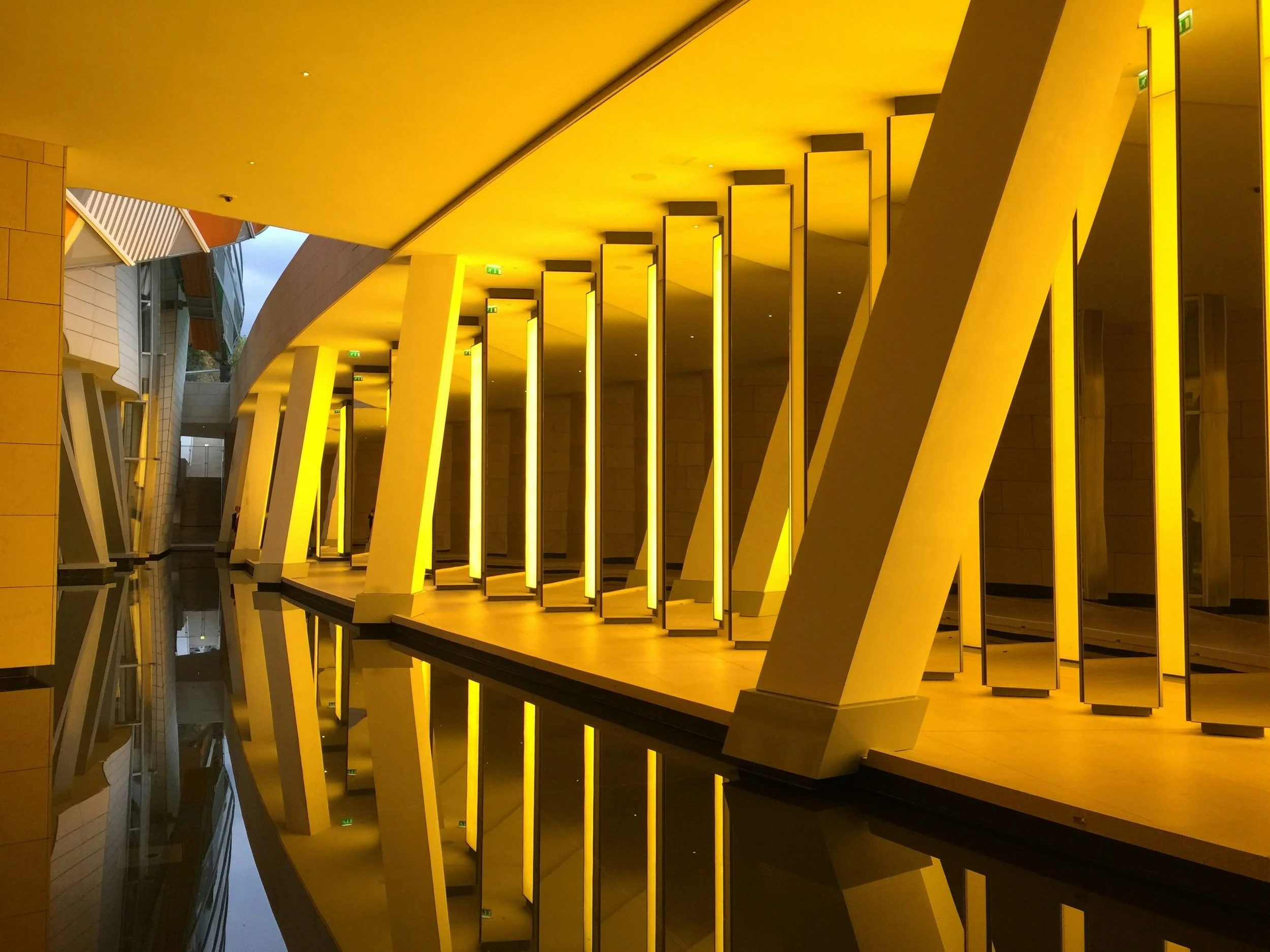
Fondation Cartier pour l'art contemporain (reopened October 2024) Just moved from Boulevard Raspail to 2 Place du Palais-Royal - literally opposite the Louvre. Jean Nouvel radically redesigned the interior of this historic building, and the result is stunning. Their exhibitions tend toward the innovative and unexpected, and the new location feels symbolic of the shift happening in Paris's art world. Check their calendar - they host fascinating interdisciplinary shows that mix art, science, and design.
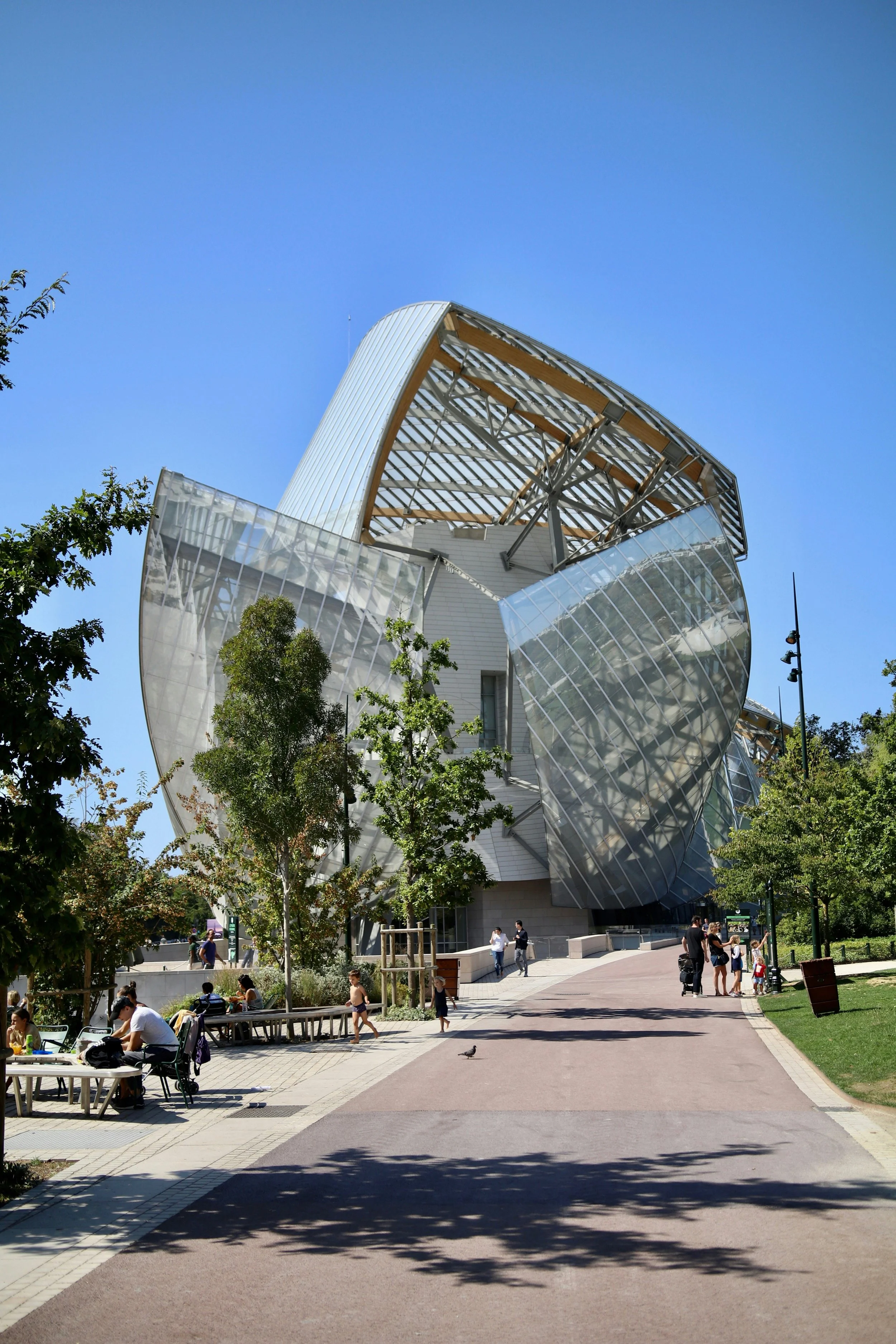
Fondation Louis Vuitton Always worth checking what's showing, recently a monumental retrospective of Gerhard Richter which was mind blowing. The building itself (designed by Frank Gehry) is extraordinary, and LVMH brings in blockbuster exhibitions that rival anything public museums can mount. Current programme.
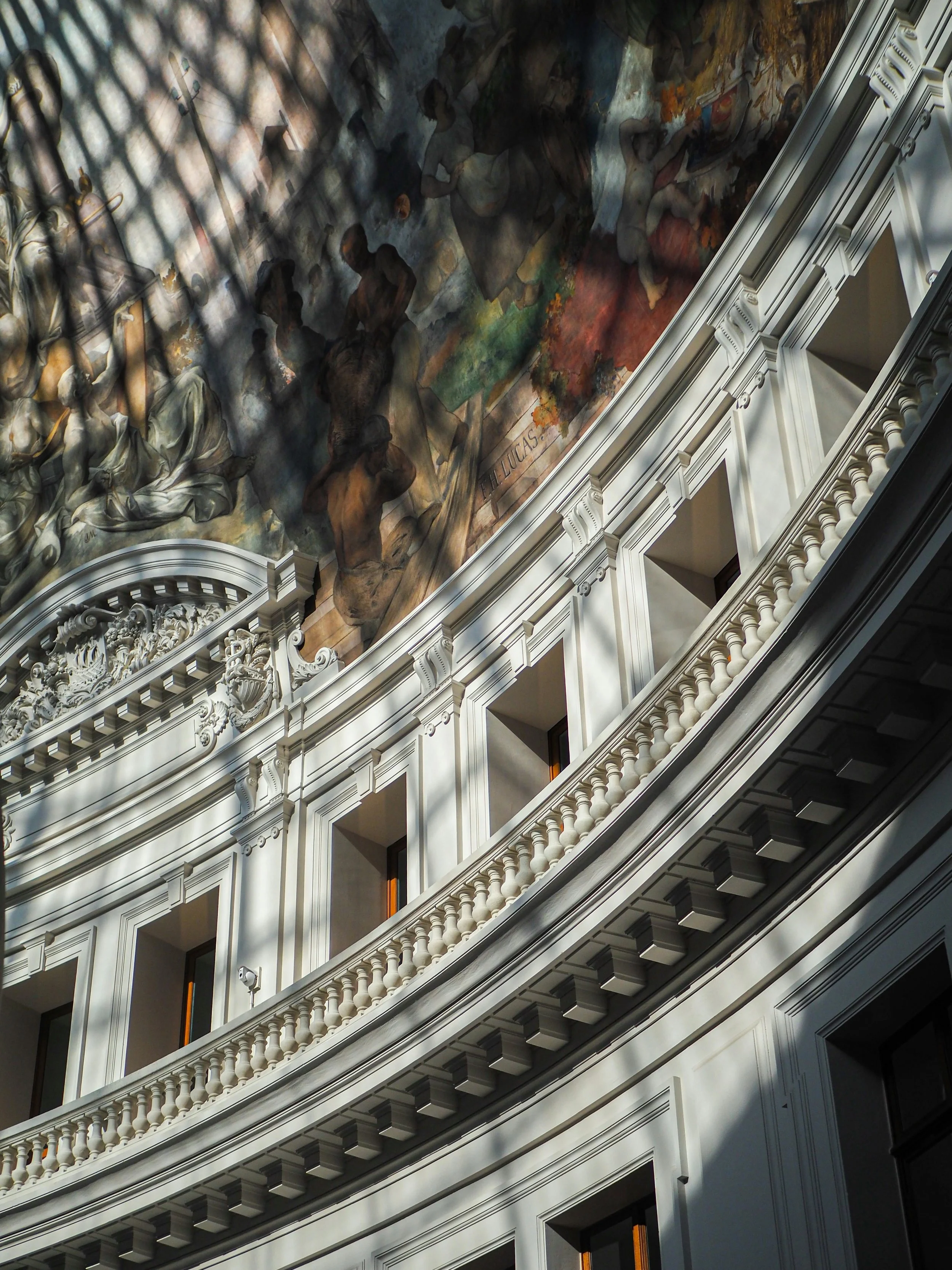
Bourse de Commerce - Pinault Collection François Pinault's collection in the beautifully restored 18th-century commodities exchange. Contemporary art in a historic setting - exactly the kind of juxtaposition Paris does brilliantly. Current exhibitions.
Palais Galliera (Musée de la Mode) If fashion intersects with your art interests, their exhibitions are always impeccably curated. Their recent love letter to Rick Owens and Michèle Lamy was a fitting tribute to an American artist who made Paris his home since 2003. Worth checking their spring programming.
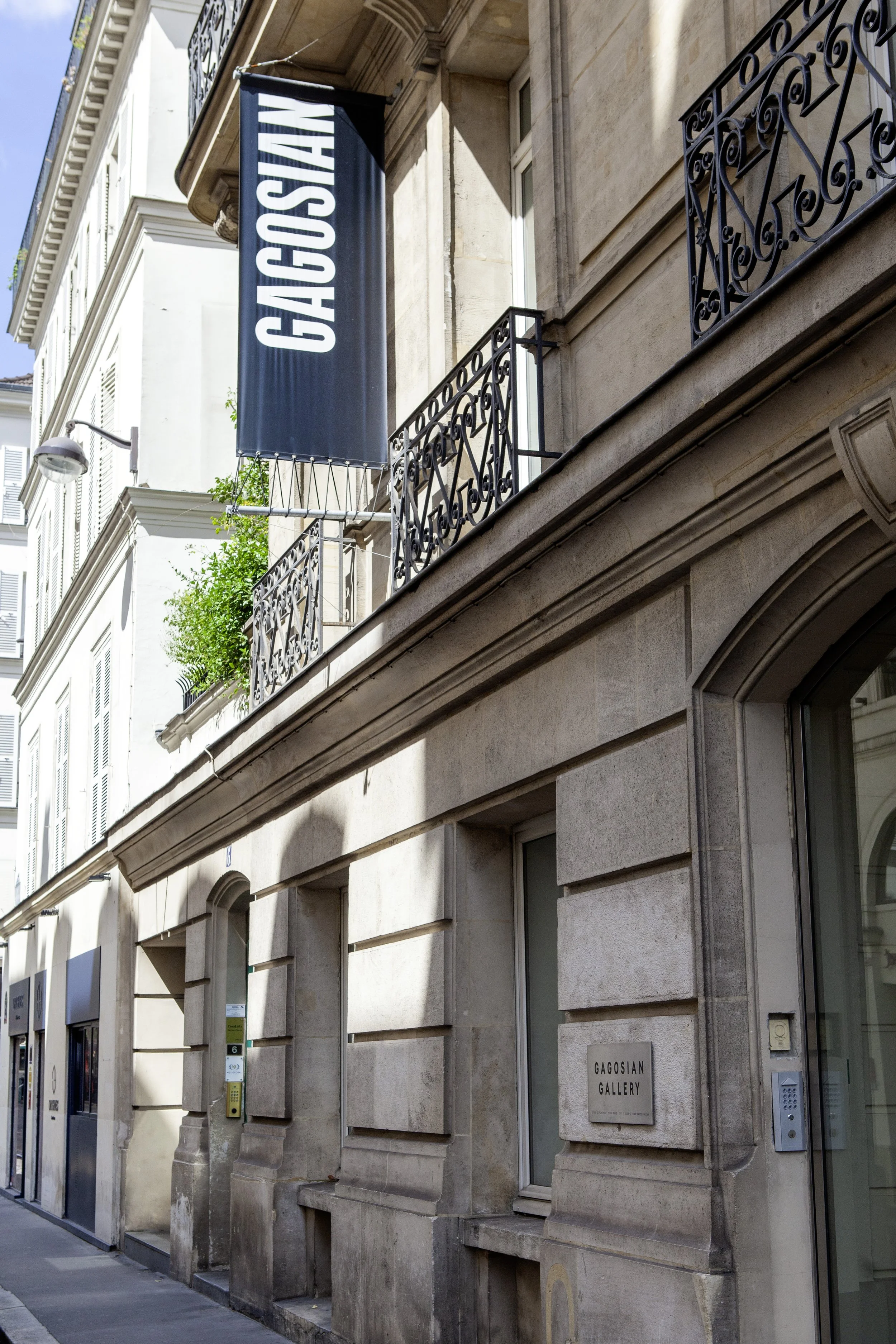
The Commercial Galleries Galerie Perrotin, Galerie Thaddaeus Ropac, Nathalie Obadia, Kamel Mennour, Gagosian, Hauser and Wirth - spend an afternoon walking through Paris's top commercial galleries. You'll see what's actually moving in the market right now, and the gallerists are often happy to talk if you're genuinely interested.
I'd also recommend keeping an eye on what's showing at smaller, more experimental spaces like Palais de Tokyo's satellite exhibitions (when they reopen) and Lafayette Anticipations. These tend to showcase emerging artists before they become unaffordable.WHAT ACTUALLY HAPPENS THERE
Beyond the climate and safety, Monaco offers something specific for people who want to remain professionally engaged. There's a serious investment community - people actively deploying capital, building businesses, engaging in meaningful commercial activity. It's a base, not just a playground.
A PERSONAL NOTE
I have mixed feelings about this moment, honestly. Public institutions struggling while LVMH and Pinault build palaces? It troubles me. The Louvre gets broken into while private foundations have security budgets that dwarf entire museum operations? There's something fundamentally off about that.
But I also can't deny that right now, Paris offers extraordinary ways to experience contemporary art - even if I wish it weren't so dependent on luxury brand budgets. The work being shown is excellent. The conversations happening around Art Basel and in gallery openings are vital and real. And unlike property or blue-chip art from previous generations, access to these experiences is still remarkably democratic. You just need to know where to look.
If you're here, or planning to visit, don't sleep on the art scene right now. The energy is genuine, even if the funding sources make me uncomfortable. The work is compelling. And Paris remains one of the few cities where you can still experience culture at this level - however it's being financed.
With the opening of the new Giacometti museum, it is worth paying close attention to the market in the months ahead. Historically, major museum openings have a significant impact on an artist’s visibility and, consequently, on demand for their works. We saw a similar effect following the opening of the Picasso Museum in Paris, which helped reinforce both market confidence and values.
For collectors, this may present an excellent opportunity to acquire Giacometti works appearing at auction, particularly those with strong provenance. As institutional attention grows, such pieces are often among the first to benefit from increased interest and appreciation in value.
Feel free to write back if you want specific recommendations based on your particular interests. I'm always happy to share what I'm seeing and where I think the most interesting work is happening.
With warmth,
Susie Hollands
Founder, VINGT Paris & Twenty1